

Google ranks local businesses on three things: relevance, distance and prominence. You can work on two of them. Distance is out of your hands.
I'll skip the giant list of 200 signals. Here's what Google confirms, what the experts think matters, and the checks I'd run first on any business.
The Three Factors Google Confirms
Google says very little about how local rankings work. Its help page names just three factors, and the rest is educated guessing.
Relevance
Does your profile match the search? Your categories, services and website pages decide that.
Distance
How far you are from the person searching. Nothing you do will change this one.
Prominence
How well known you are. Reviews and ratings matter here, and so do links and mentions on other sites.
Google also says you can't pay for a better local spot. Anyone selling that is selling something else.
What Local SEO Experts Rank Highest
Every year Whitespark asks local search specialists what moves the map pack. In the 2026 survey, 47 of them picked these as the top five.
- Primary Google Business Profile category
- Distance from the searcher to the business
- Keywords in the business name on the profile
- A physical address in the city being searched
- Being open at the time of the search
For the regular results under the map, a separate page for each service came out on top. That's opinion, not a leak from Google, but it lines up with what we see.
What You Can Control, and What You Can't
Out of Your Hands
Where people search from, and where your shop is. You're not going to move the building for a ranking.
Yours to Influence Over Time
Reviews, links and directory listings. You can ask for them, but customers and other sites decide.
Fully Yours
Your profile and your website. Most of the problems I find in audits are here, and they're the quickest to fix.
An 8-Point Local SEO Audit
Go in this order. The first few take ten minutes.
1. Check Your Primary Category
Pick what you are, not everything you do. A roofer filed under "Contractor" is giving away easy relevance.
2. Trim Your Additional Categories
Fewer is better. Drop any that cover work you rarely take on.
3. Compare Your Name to Your Signage
Use the name on your truck and your invoices. Stuffing "Best Plumber Waukesha" into it can get the profile suspended.
4. Confirm Hours and Special Hours
Being open when someone searches helps you show up. Set holiday hours the week before, not the day after.
5. Check Your Address, Pin and Service Area
Put the pin on your door. If you drive to customers, hide your address and keep the area within about two hours.
6. Match Your Name, Address and Phone Everywhere
Your site, your profile and Yelp should all say the same thing. An old number on one listing is enough to lose a call.
7. Give Each Service Its Own Page
One "Services" page with a bullet list won't rank for much. Give drain cleaning its own page, and water heaters too.
8. Look at Your Recent Reviews
How many came in over the last six months? Reply to every one, even the bad ones.
Mistakes That Quietly Hold Rankings Back
Two profiles for one location split your reviews. Merge them.
Changing your name, categories and address in the same week means you'll never know which change hurt.
When to Bring In Help
You can do most of this audit in an afternoon. The slow part is keeping it up every month.
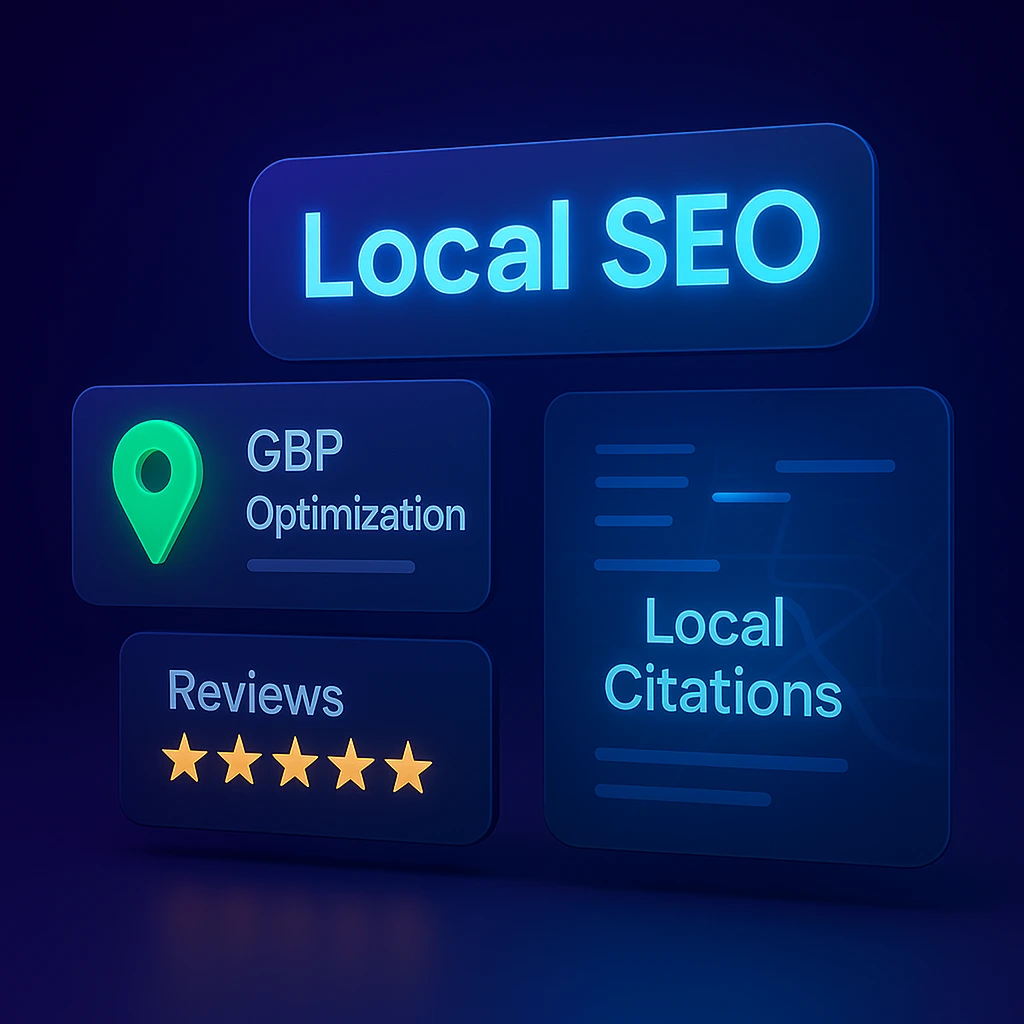
That's what our local SEO services handle.
If your profile is the weak spot, start with our Google Business Profile optimization checklist.
Local SEO Ranking Factor Questions
What is the most important local ranking factor?
Experts put your primary Business Profile category first. Distance is a close second, and you can't change it.
Do reviews affect local rankings?
Yes. Google says more positive reviews can help your ranking, and replies help customers trust you.
Can I pay Google to rank higher on Maps?
No. You can buy ads above the map, but they're marked as sponsored.
Should I add keywords to my business name?
Only if they're really part of the name. Otherwise you risk a suspension.